Buying Oysters in Indianapolis: What to Ask at the Counter and How to Order Ahead
Where to find real seafood in Indianapolis, and what makes it worth the trip.
Where to find real seafood in Indianapolis, and what makes it worth the trip.
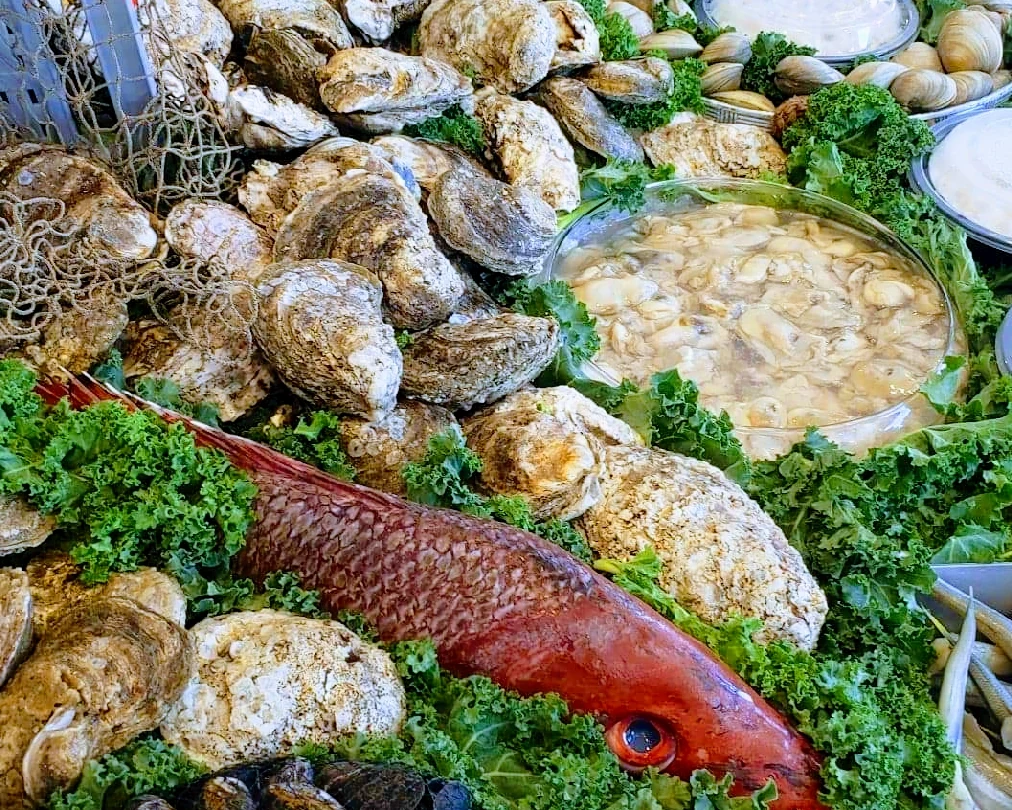
When most people think about oysters, they think about restaurants. What fewer people realize is that you can walk into a full-service fish counter in Indianapolis, pick out fresh oysters by the piece or by the dozen, and take them home tonight. At Caplinger's Fresh Catch, oysters are part of the regular rotation at the fish counter, not a seasonal menu item that shows up once a year.
This guide covers what you'll actually find at the counter, what questions to ask before you buy, and how to get the best experience whether you're picking up a dozen for yourself or ordering ahead for a larger group.
Oyster availability at a fish counter moves with the market. Species and origins shift based on what the supplier is bringing in fresh that week. At Caplinger's Fresh Catch, the staff at the fish counter can tell you exactly what's in on any given day: where the oysters came from, how recently they arrived, and whether a particular variety is running small or large this week.
Common varieties you might see at the counter include East Coast oysters (often from the mid-Atlantic or New England), Gulf oysters, and Pacific Northwest varieties when they're available. Each has a noticeably different flavor profile. East Coast oysters tend to be brinier and more mineral-forward. Gulf oysters are typically milder and meatier. Pacific oysters often carry a sweeter, creamier finish. Asking the counter staff which variety came in most recently is always the right move. Freshness matters more than brand loyalty when it comes to oysters.
A good fish counter is staffed by people who actually know what they're selling. Don't hesitate to ask questions. Here are the ones worth raising before you commit to a dozen:
These aren't trick questions. They are the same questions any knowledgeable seafood buyer asks. A real fish counter expects and welcomes them.
If you're planning a dinner party, a gathering, or any event where you need more than a dozen or two, calling ahead is the right move. Oyster supply at a fish counter is real and finite. If you show up the afternoon before a weekend dinner expecting four dozen of a specific variety, you may be out of luck.
Ordering ahead gives the counter time to confirm availability and set aside what you need. It also gives you a chance to ask about complementary items: mignonette, cocktail sauce, horseradish, crackers, and anything else that makes an oyster spread feel complete. Caplinger's Fresh Catch fish counter staff are used to helping customers think through the full setup, not just the oysters themselves.
You've probably heard the old rule about only eating oysters in months with the letter R, September through April. Like most folk wisdom, this one has a kernel of truth but doesn't tell the full story.
The R-month rule dates back to an era before refrigeration, when warm-water months genuinely posed a safety risk. Modern cold-chain logistics have changed the equation significantly. That said, oyster flavor does shift with the seasons. In warmer months, oysters are often more focused on reproducing, which can make them softer, milkier, and less briny than their cold-water counterparts. Many oyster eaters find the flavor less interesting in summer.
The practical answer: oysters are available year-round at a well-stocked fish counter, but if you're after the firmest, briniest, most intensely flavored oysters, the fall and winter months are reliably the best window. Ask the counter staff what they're seeing at any given time. That answer will always be more accurate than a calendar.
The difference between buying oysters at a grocery store seafood case and buying them at a dedicated fish counter comes down to knowledge and turnover. At Caplinger's Fresh Catch, the fish counter staff can tell you the story of what you're buying: where it came from, when it arrived, and how to get the best out of it once you're home. That kind of information isn't printed on a grocery store label.
High turnover also matters more than most people realize. A fish counter that moves a lot of oysters keeps fresher oysters than one that sells a dozen a week. Volume and freshness reinforce each other.
If you're looking for fresh oysters in Indianapolis and want to actually talk to someone who knows what they're selling, the fish counter at Caplinger's Fresh Catch is the right place to start.
Stop by the fish counter at either the Shadeland or South Side location and ask what came in this week. If you're planning ahead for a dinner or event, call before you come so the team can confirm availability and set aside what you need. The counter staff are there to help you put together exactly what you're looking for, whether that is a simple dozen on the half shell or a full raw bar spread for a crowd.